
small business cybersecurity
Why Small Businesses Are the #1 Target for Cyber Attacks
Many small business owners believe hackers only target large corporations. It feels logical. Big companies have more money, more data, and larger networks.
But the reality is the opposite.
Small businesses are often the most attractive targets because they typically have fewer security protections in place. Attackers look for the easiest way in, not necessarily the biggest prize.
The Opportunity Hackers Look For

Cyber attackers constantly scan the internet searching for vulnerable systems.
They are looking for things like:
Unprotected networks
Weak passwords
Outdated software
Misconfigured firewalls
If they find a weakness, automated tools can attempt to access systems within seconds.
For many attackers, small businesses represent the perfect opportunity because security measures are often minimal or outdated.
Why Small Businesses Are Easier Targets
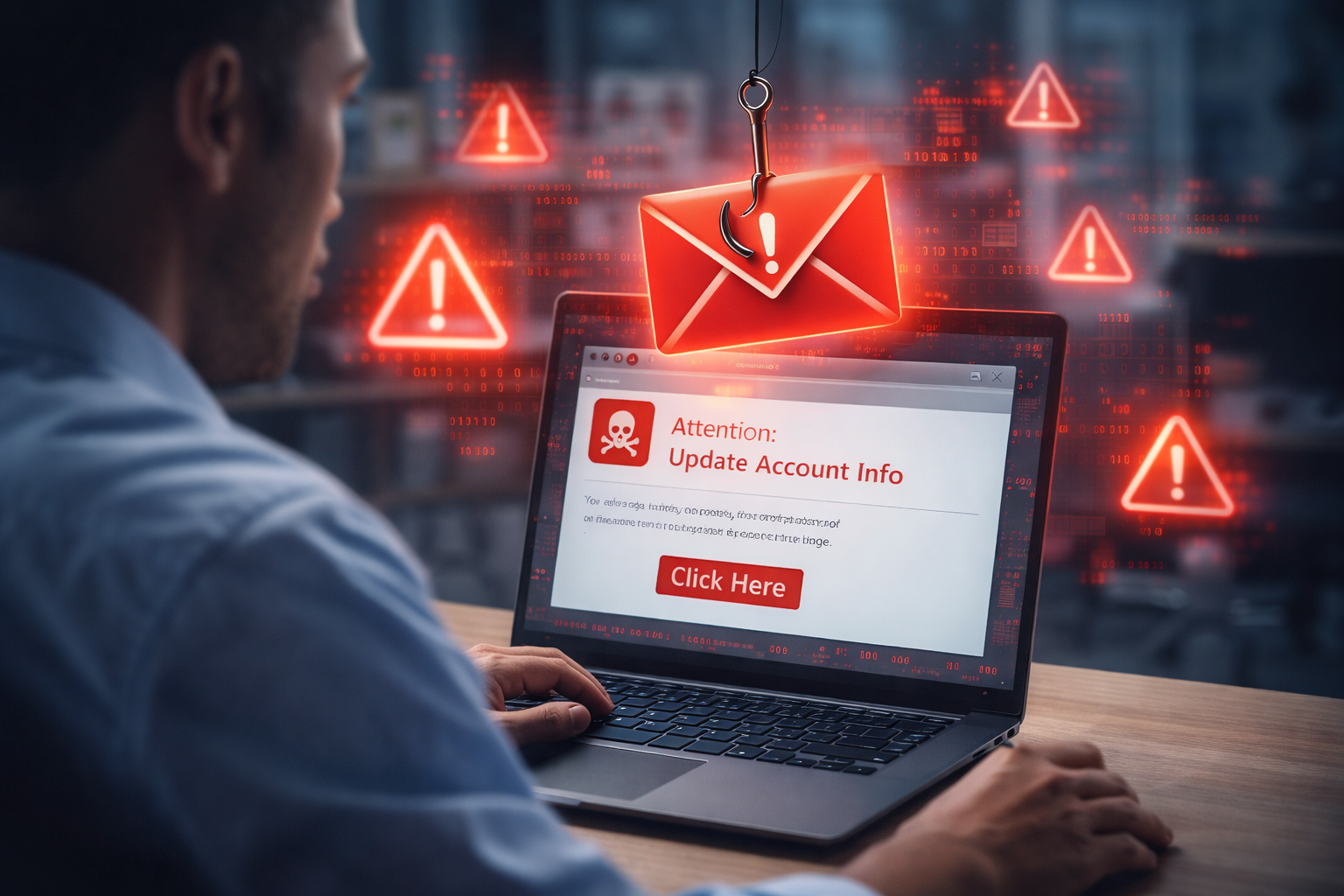
Large organizations invest heavily in cybersecurity teams, monitoring systems, and security infrastructure.
Small businesses usually operate differently.
Many rely on:
Basic routers instead of professional firewalls
Shared passwords across systems
Limited monitoring of network activity
Older software that has not been updated
These gaps create openings that attackers can exploit.
The Types of Attacks Small Businesses Face
Small organizations face many of the same cyber threats as large enterprises.
Common attacks include:
Phishing emails designed to trick employees into revealing passwords
Ransomware attacks that lock systems until a payment is made
Unauthorized network access through exposed ports or weak credentials
Malware infections that steal data or monitor activity
These attacks often begin with something simple, like clicking a malicious link or downloading a harmful file.
The Real Cost of a Cyber Attack
When a cyber attack happens, the damage is rarely limited to technology.
Businesses may experience:
Operational downtime
Loss of customer trust
Financial loss
Legal or compliance issues
For smaller companies, even a short disruption can have a serious impact on operations.
Prevention Is Stronger Than Recovery
Cybersecurity is not just about responding to attacks. It is about reducing the chances they happen in the first place.
Strong security practices include:
Properly configured firewalls
Network monitoring
Access controls
Employee awareness training
Together, these layers create barriers that make it much harder for attackers to succeed.
Protecting Your Business Network
Small businesses do not need enterprise-sized budgets to improve their cybersecurity posture. They need the right strategy and the right protections in place.
Understanding the risks is the first step toward building a safer environment for your systems, your employees, and your customers.
FirewallSphere Agency helps businesses strengthen their cybersecurity foundations by securing networks, protecting data, and identifying vulnerabilities before attackers can exploit them.